Motic in Haiti: How Telepathology is Helping Underserved Communities
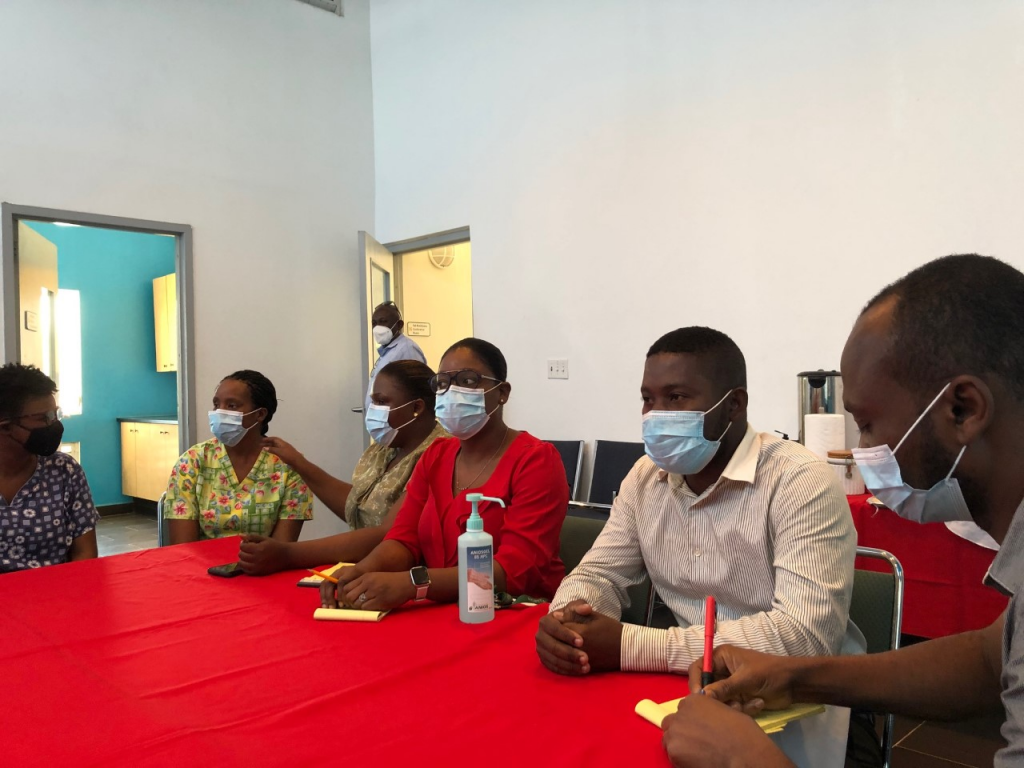
The ability for digital pathology to help fight cancer in lower income countries is both one of the most recognized potentials of the technology, and also one of its least-often fulfilled. Motic’s goals for its new telepathology platform is to help affordably connect regional front-line hospitals with global medical professionals to advance healthcare and scientific discovery.
WSI and Digital Pathology: Solutions for Clinical Practice

During this tutorial, Dr. Kabeer Shah speaks to the specific clinical use cases where whole-slide imaging and digital pathology improve the efficiency of his practice, and how clinicians in organizations, both big and small, can better understand how digital pathology can contribute to their practice.
How to Improve Clinical Workflows with Whole-Slide Imaging
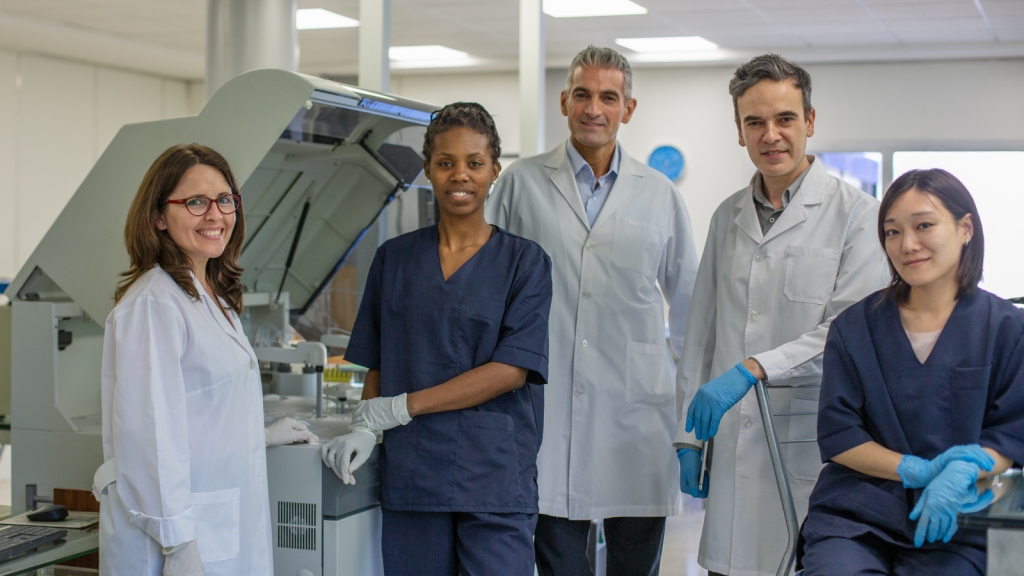
Whole-slide imaging (WSI) digital pathology represents a viable option for improving efficiencies in clinical workflows; however, this doesn’t come without complications. Unless hospital systems and labs fully understand their own use cases and how digital pathology would tangibly benefit them, convincing administrators and colleagues to invest in this technology can prove to be difficult.
How Motic Uses Digital Pathology to Combat Cervical Cancer

Motic and its partners, Dr. Böcking and the BC Cancer Agency, implemented digital pathology using DNA-ploidy analysis to automate and scale cervical cancer screening in underserved areas in China.
The Future of Pathology is Digital

Published in Pathology – Research and Practice, this article evaluates the current state of digital pathology for clinical, research, and education use and looks forward to future challenges and developments.
Validation of Telecytology for Rapid On-Site Evaluations at Cleveland Clinic

In this study, the team compared remote readouts done via the FS-Live system against on-record diagnoses for 120 previously diagnosed adequacy specimens.
Evaluation of an Automated Microscope Using Machine Learning for the Detection of Malaria in Travelers Returned to the UK

In this work, a team evaluated EasyScan GO to determine if it could detect, quantitate, and identify malaria parasites present in Giemsa-stained blood lms with consistency and accuracy compared to trained microscopists.
Multi-centric Field Evaluation Of A Digital Malaria Microscopy Device Based On Machine-Learning: EasyScan GO – A Preliminary Analysis
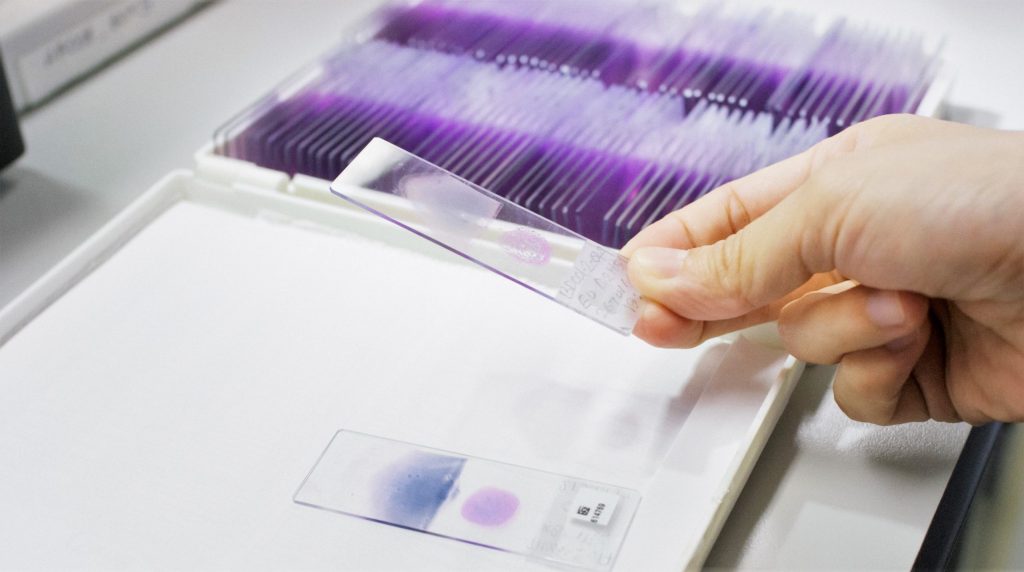
In this work, a team assessed the performance of the EasyScan Go, a microscopy device employing machine learning-based image analysis to detect malaria parasites.
Maintaining Focus with Remote Pathology Tools
We explain how a superior autofocus plays a crucial role in live remote consultations, especially for time-sensitive procedures, compared to autofocus in other systems.
Reviewing a Frozen Section with Motic’s FS-Live
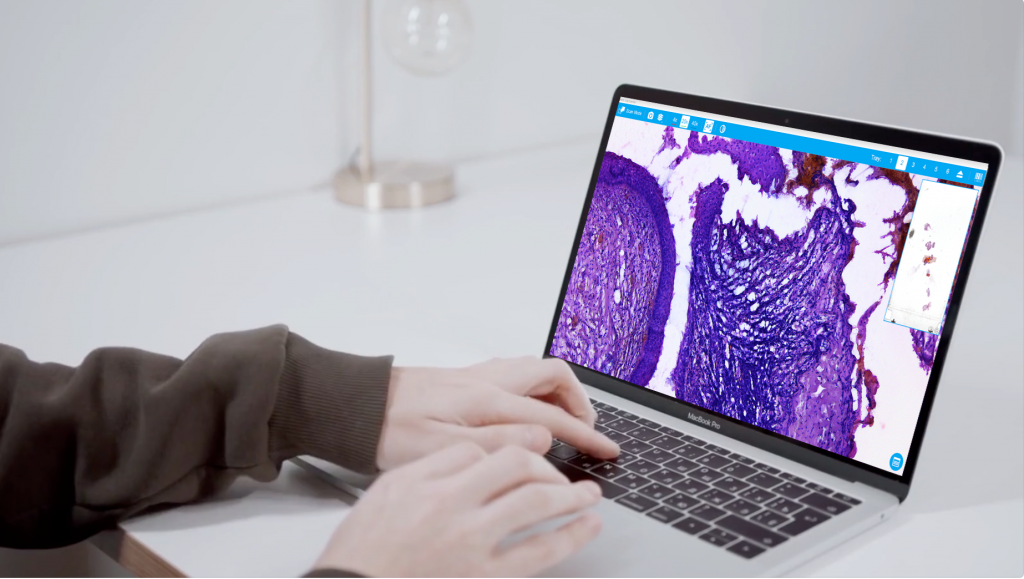
During this tutorial, Dr. Enric Solans from Uchicago Ingalls Memorial Hospital, joins Motic Digital Pathology to explain how his lab has enabled real-time remote consultations using Motic’s FS-Live software.